 By admin
Your Keys, Your Coins — and What That Really Means
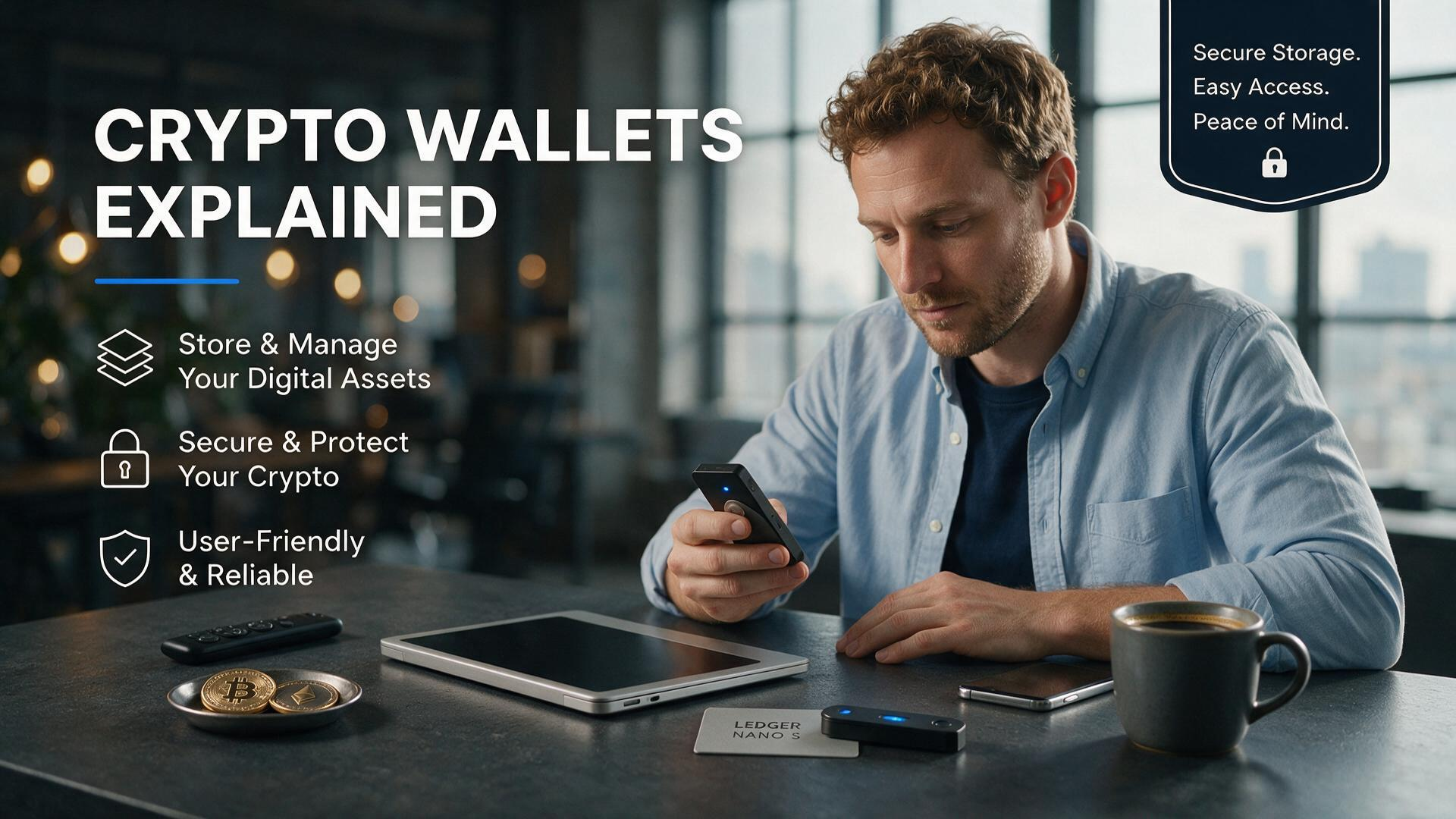
There's a saying in crypto that gets repeated so often it's almost become a cliché: not your keys, not your coins. It sounds simple, but the implications are enormous. When you hold cryptocurrency, you don't hold a balance in an account the way you do at a bank. You hold a private key — a string of characters that proves ownership and allows you to move the asset. Whoever controls that key controls the coins. There's no customer service number to call if it's lost, no fraud department to reverse a transaction, and no institution to appeal to if someone steals from you. Understanding cryptocurrency wallets is therefore not optional knowledge for anyone holding digital assets. It's the foundation of everything else.
The word wallet is actually a bit misleading. A crypto wallet doesn't hold coins the way a leather wallet holds cash. The coins exist on the blockchain, recorded in a public ledger. What the wallet holds is the key that proves ownership of those coins and the ability to sign transactions that move them. You can think of it as a keychain rather than a wallet, or as a password manager for your digital assets. The coins never leave the blockchain; they just move from one address to another, and the wallet is the tool that lets you control the address you own.
That distinction matters because it shapes how you should think about digital asset storage. The security of your assets depends entirely on the security of your keys. If someone gets your private key, they can move your coins, and there's nothing you can do to stop them. If you lose your private key, your coins are gone forever, even if you can see them sitting at your address on the blockchain. There's no recovery process, no backup, and no do-over. That's the tradeoff for self-custody, and it's why the topic deserves more attention than it usually gets.
Hot Wallets, Cold Wallets, and What They're For
Crypto wallet security starts with understanding the difference between hot and cold storage. A hot wallet is connected to the internet, usually through a browser extension, a mobile app, or a desktop application. It's convenient — you can send and receive transactions with a few clicks — and it's what most people use for everyday activity. The tradeoff is that anything connected to the internet is vulnerable to hacking, malware, and phishing. Hot wallets are fine for small amounts you're actively using, but they're not the place to store your long-term holdings.
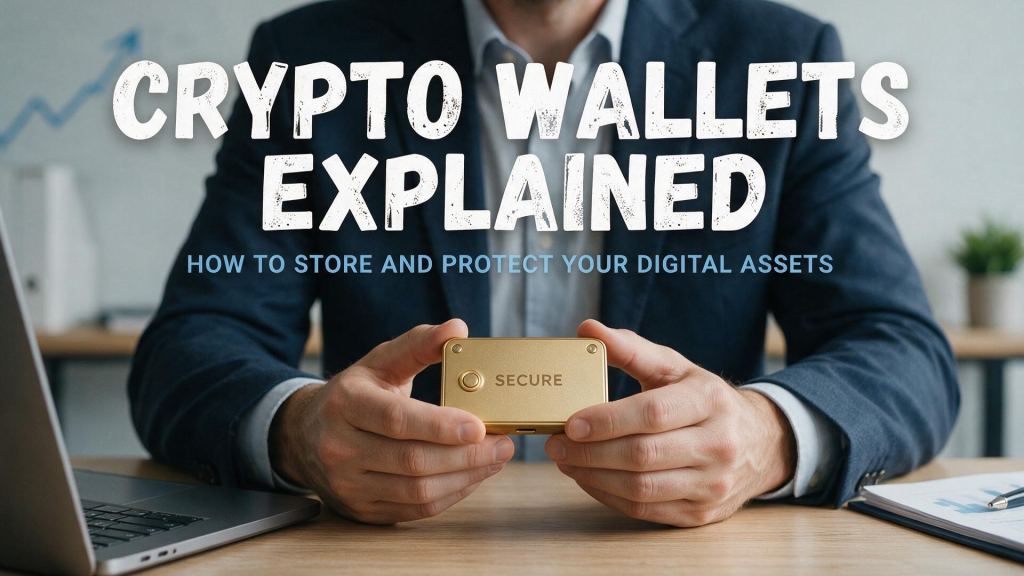
A cold wallet is a device or piece of paper that stores your keys offline. The most common form is a hardware wallet, a small device that looks a bit like a USB drive and keeps your private keys isolated from the internet. When you want to send a transaction, you connect the device, approve the transaction on the device itself, and then disconnect it. The key never touches your computer, which means malware on your computer can't steal it. Hardware wallets aren't perfect — you still have to protect the recovery phrase and be careful about where you buy the device — but they're the gold standard for secure storage.
Paper wallets are the old-school version of cold storage. You print your private key and public address on a piece of paper and store it somewhere safe. This works, but it's fragile, vulnerable to physical damage, and easy to lose. It's also a single point of failure — if the paper is destroyed or discovered, the funds are gone. Most people have moved away from paper wallets in favor of hardware wallets, which offer better security and are less likely to be destroyed by a spilled coffee or a house fire.
There's also the option of custodial wallets, which are provided by exchanges and other services. With a custodial wallet, the service holds your keys on your behalf, and you access your funds through a username and password. This is convenient and familiar, but it reintroduces counterparty risk. If the exchange goes bankrupt, gets hacked, or freezes withdrawals, you could lose access to your funds. The FTX collapse is the most vivid recent example, and it's why many long-term holders prefer to move their assets into self-custody once they've accumulated meaningful amounts.
The Private Key and the Recovery Phrase
Private key protection is the single most important part of crypto security, and it starts with understanding what a private key is. A private key is a long string of characters that proves ownership of a specific address on the blockchain. If someone has your private key, they can sign transactions and move your coins, and there's no way to stop them. It's the ultimate password, and unlike a password, it can't be reset if you forget it. The only way to recover access to a wallet is with the private key or the recovery phrase that generates it.
Most modern wallets use a recovery phrase instead of a single private key. The recovery phrase, also called a seed phrase, is a sequence of 12 or 24 words that can regenerate your entire wallet — including all the addresses and private keys derived from it. When you set up a new wallet, the software generates the recovery phrase, and it's the only thing you need to restore access if your device is lost or broken. That makes it the most important thing you own in crypto, and it should be treated accordingly.
Protecting the recovery phrase means treating it like the combination to a safe. Write it down on paper or metal, store it in a secure location, and never enter it into a website or share it with anyone. No legitimate service will ever ask for your recovery phrase, and anyone who does is trying to steal from you. Avoid storing it digitally, because anything stored on a computer or phone can be compromised by malware. And avoid keeping it in a single location — if that location is lost or destroyed, your backup is gone. Splitting the phrase across multiple secure locations is a common way to balance security and redundancy.
It's also worth thinking about who might have access to your recovery phrase after you're gone. If you're holding significant assets, an estate plan should include instructions for your heirs on how to access the wallet. Without that, the assets could be lost forever, even if your family knows you owned them. This is one of the less discussed aspects of cryptocurrency asset management, and it's one that every long-term holder should eventually address.
Common Threats and How to Avoid Them
Phishing is the most common way people lose crypto, and it's more sophisticated than most people expect. Scammers create fake websites that look identical to legitimate ones, send emails that appear to come from real companies, and post malicious links on social media. When you connect your wallet or enter your recovery phrase, they drain your funds. The defense is to be skeptical of everything, to bookmark the sites you use regularly, and to verify URLs before you click. If something feels urgent or too good to be true, it probably is.
Malicious smart contracts are another threat, especially for anyone using decentralized finance. When you interact with a DeFi protocol, you approve transactions that give the protocol permission to move your tokens. If the protocol is malicious or compromised, that permission can be used to drain your wallet. The defense is to check the permissions you've granted and revoke them when you're done, to use only well-established protocols, and to keep your long-term holdings in a separate wallet that's never connected to applications. The separation of hot and cold wallets isn't just about convenience — it's a defense against this specific type of attack.
SIM swapping is a threat that targets your phone number rather than your wallet directly. An attacker convinces your mobile carrier to transfer your number to a new SIM card, which lets them intercept two-factor authentication codes and reset passwords on any account tied to your phone. Once they have access to your email and exchange accounts, they can drain your funds. The defense is to use app-based two-factor authentication instead of SMS, to use a separate email address for crypto, and to be wary of anyone asking for personal information that could be used to impersonate you.
Physical theft is a risk that's easy to overlook. If someone knows you hold crypto, they might target you or your home to get access to your devices or your recovery phrase. The defense is to be discreet, to avoid discussing your holdings publicly, and to store your hardware wallet and recovery phrase in secure locations. This might sound extreme, but the stories are real, and the consequences can be severe. Discretion is a form of security that costs nothing and protects a lot.
Building a Storage Setup That Works for You
There's no single right way to store crypto, because the right setup depends on how much you hold, how often you transact, and your technical comfort level. A common approach is to use a hardware wallet for long-term holdings and a small hot wallet for everyday transactions. The hot wallet might hold a small amount for spending or interacting with DeFi, while the hardware wallet holds the bulk of your assets and stays offline except when you need to move something. This setup balances security and convenience, and it limits the damage a compromise can cause.
Diversifying your storage is another good practice. Don't keep everything in one wallet or on one exchange, even if you trust the provider. If something goes wrong, a diversified setup means you lose some rather than all. Many investors keep a portion of their assets on an exchange for active trading, a portion in a hardware wallet for long-term holding, and a portion in a separate wallet for experimentation. The exact split depends on your needs, but the principle of not putting all your eggs in one basket applies to storage just as it does to investing.
Testing your setup is worth doing before you have a significant amount at stake. Set up your hardware wallet, send a small amount, confirm you can receive it, then wipe the device and restore it from your recovery phrase. That test proves that your backup works and that you understand how to use it. It's much better to discover a problem when you're moving $50 rather than when you're trying to recover your life savings under stress. A little practice now can save a lot of heartache later.
Finally, keep learning. The crypto landscape changes quickly, and new threats emerge regularly. What worked five years ago might be inadequate today, and new tools and best practices are constantly being developed. Following reputable sources, staying informed about security developments, and updating your setup as needed is part of protecting your assets for the long term. It's not the most exciting part of crypto, but it's the part that determines whether you actually get to keep what you've earned. Take it seriously, and you'll be ahead of most of the people in this market.